Social Media Feeds Your Database
Mega Camp 2026 · Amy Porterfield
Amy Porterfield opened by admitting she does not enjoy making content. She does it every day anyway, multiple times a day, and it is not polished. Then she explained why, and it reframed the entire thing for a room of agents who have been quietly resenting their own feeds for years.
Social media is not where you get paid. Social media feeds your database.
The whole session in one line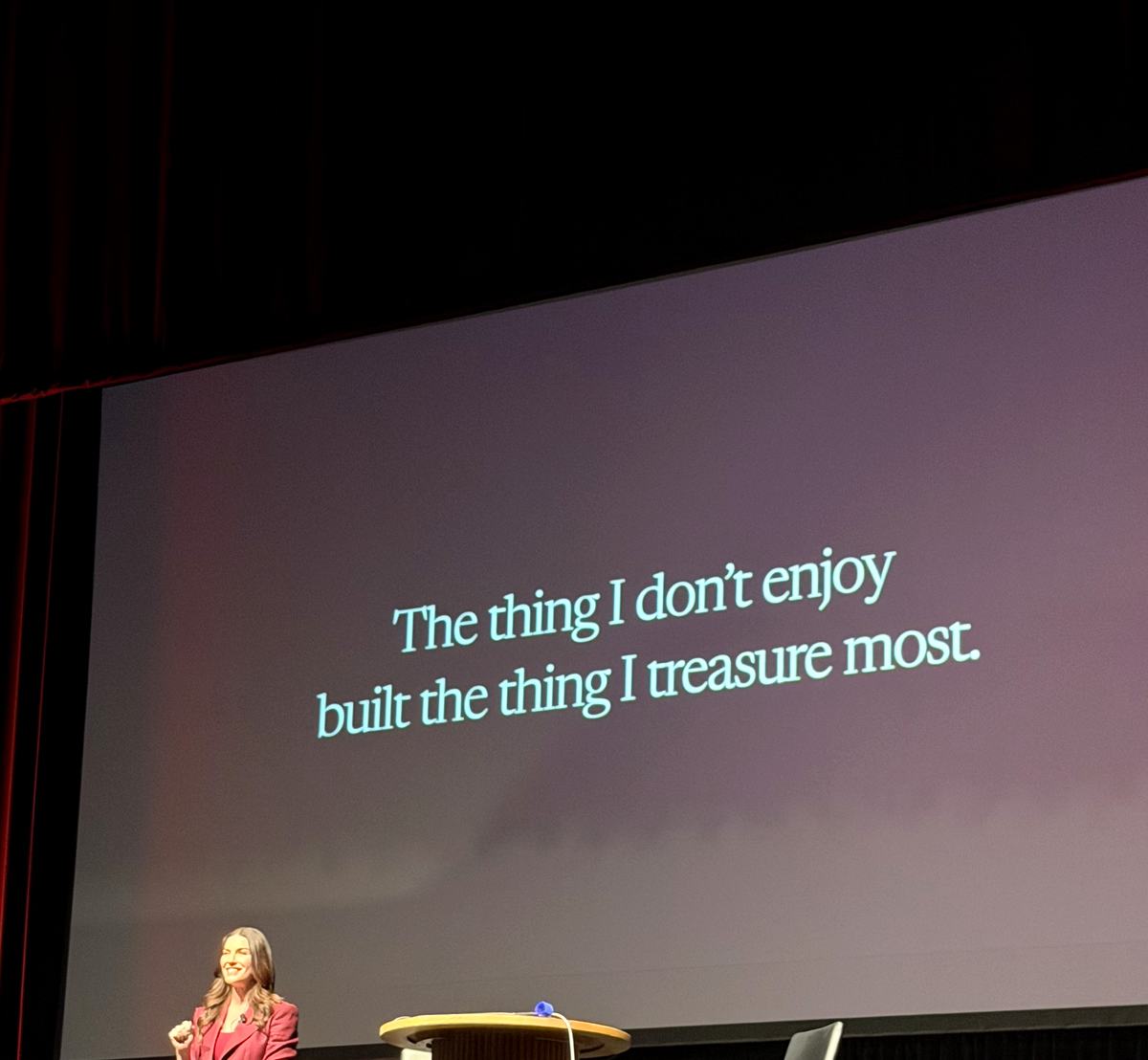
If you have ever finished a week of posting and thought “what did any of that actually do,” this session was for you. And the answer Amy gave was not post more, or post better, or finally learn to dance on camera. It was that most agents have no mechanism connecting the feed to the database, so the work goes nowhere by design.
Social media will not pay you. Your database will. The job of a post is not to sell a house, it is to move one person from a platform you rent into a list you own. If a post does not do that, it is not marketing, it is volunteering. Most agents do not have a content problem, they have a structural problem, and the fix is a deliberate bridge from feed to database.
She does not enjoy it either
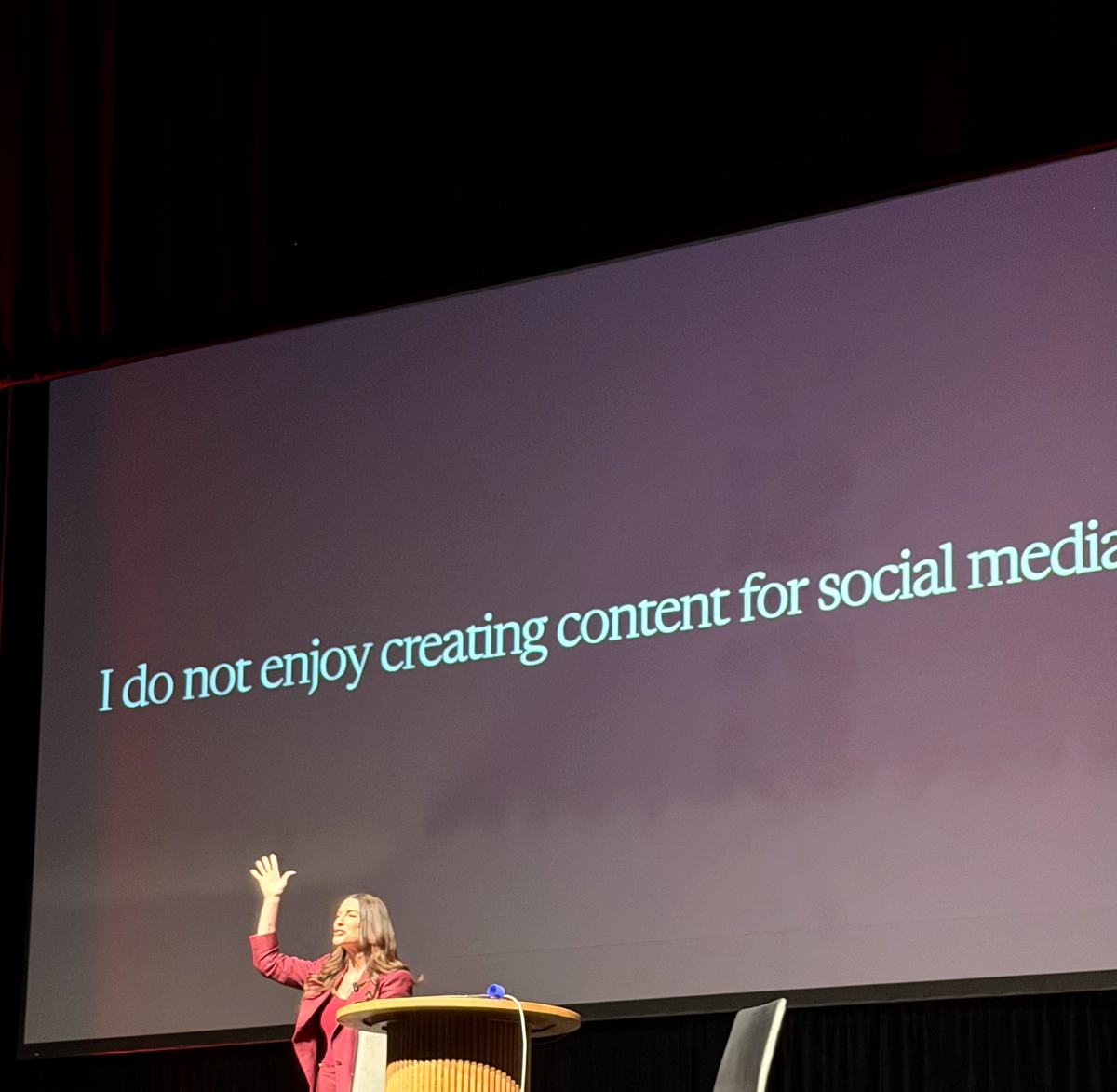
Amy Porterfield is a New York Times bestselling author who has built an entire business teaching entrepreneurs to make more money from marketing. She opened by asking the room to raise a hand if they do not enjoy creating content for social media.
Then she raised her own.
She posts every single day, often multiple times a day, and she was clear that it is not a pretty, polished, aesthetic feed. There is a reason for that, and the reason is the point of the whole talk.
The thing I don’t enjoy built the thing I treasure most. My database.
Amy Porterfield
She was not there to talk anybody into loving social media. Nobody in that room needed a pep talk about Instagram. She was there to explain how to get paid because of it, which is a different thing entirely, and she did not apologize once for talking openly about wanting to make money.
The number that landed hardest
Seven hours a week is roughly 350 hours a year. That is a part time job. And her framing of it was the sharpest line of the session.
If you are not getting consistent leads, you are not marketing. You are volunteering.
Amy Porterfield
She followed it with the part that stings.
Meta is just fine without you.
Amy Porterfield
Her diagnosis of the number one frustration was simple. Hours in, zero leads out. And the question underneath it is whether the leads you do get are happening intentionally or randomly. Most agents cannot answer that, which is the actual problem.
The launch that made $267
The origin story is worth the space because it is the proof for everything that follows.
Amy was Director of Content Development for Tony Robbins. She got called into a conference room to take notes on a meeting with a group of online entrepreneurs, people selling digital programs and products. She listened to them describe businesses they ran when and how they wanted, and a year later she left to build one herself.
A year after that she launched her first product. She was, in her words, certain she was about to be rich. Everyone on social was pitching money and lifestyle. She pressed the button, alone in her condo.
Nothing happened. For days.
She cried for a week and decided she was not cut out for it. Then she went and figured out what actually went wrong, and it took a while.
It was not the content. She could outwork anyone and she knew her material was good.
I didn’t have a content problem. I had a structural problem. I didn’t have an email list.
Amy Porterfield
All the views, and nothing tied back to anything she owned. That is the whole lesson, and she has built a career on it since.
Your followers live in someone else’s business
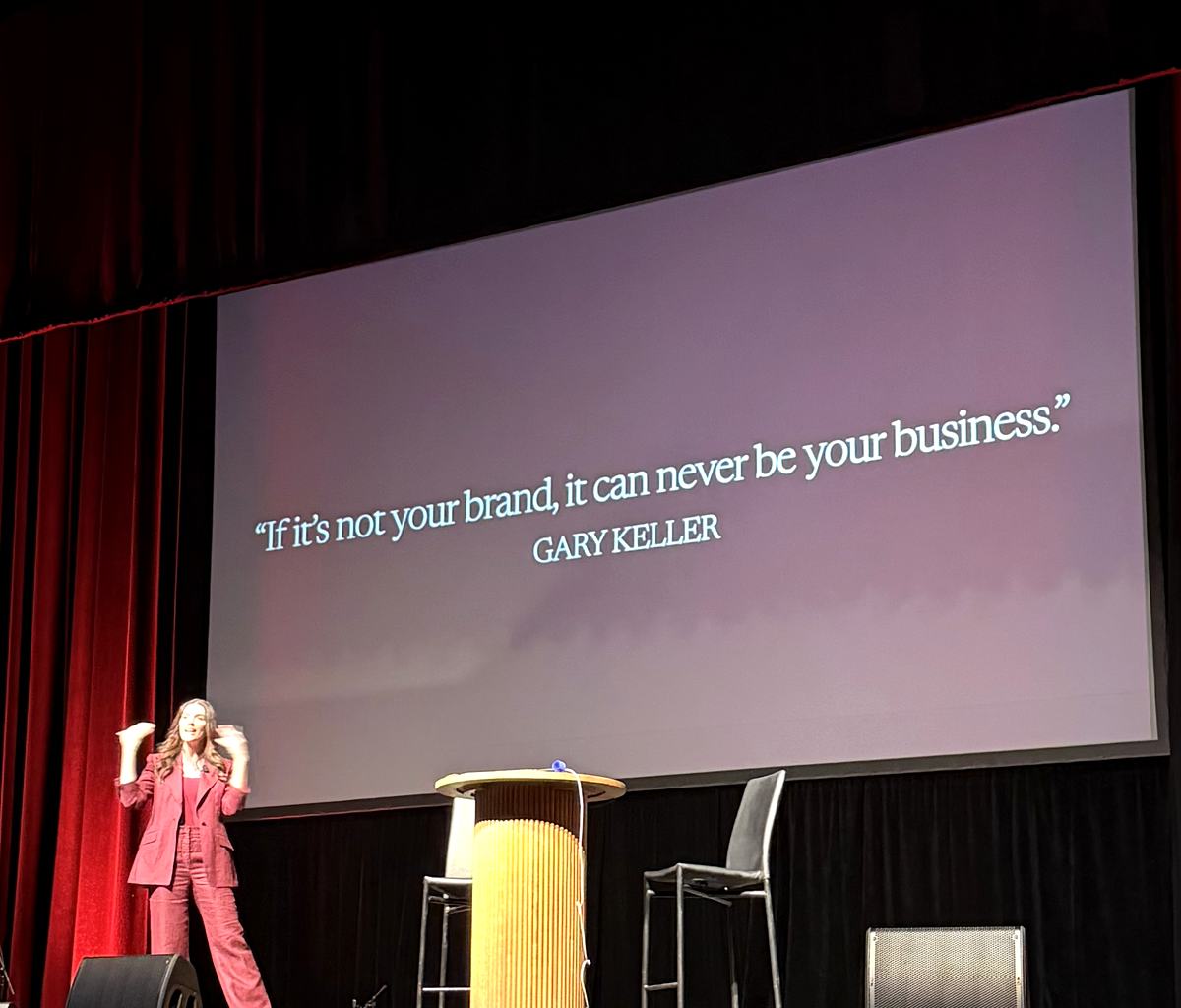
She quoted Gary Keller twice, and both landed with a room that has heard them before and maybe stopped hearing them.
Your database is your business.
Gary Keller
If it’s not your brand, it can never be your business.
Gary Keller, The Millionaire Real Estate Agent
Then she made it uncomfortable. Your brand is on Instagram and Facebook. Which means your brand is sitting inside somebody else’s business. Every follower you have is, technically, a name in Mark Zuckerberg’s database, not yours.
If all you are counting is followers, fans, likes and views, you are building an asset for a company that is not paying you.
If it doesn’t feed your database, it’s a waste of your time. She said to hold that from now to infinity, and that believing it is what makes you do things differently.
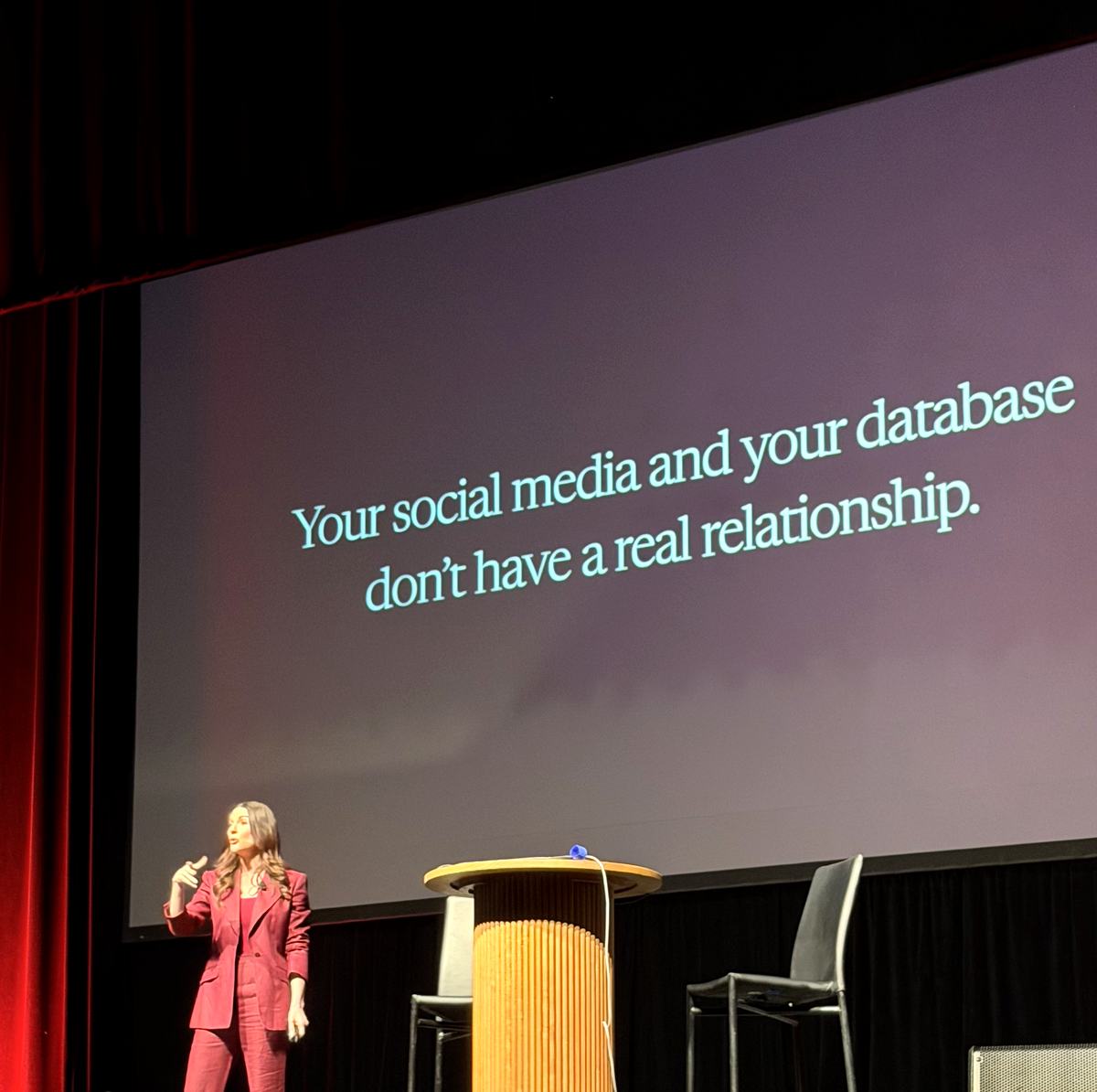
Her read on the relationship most agents have between the two was that they are barely acquainted. Connected, maybe. A high five once in a while.
Your social media and your database don’t have a real relationship.
Amy Porterfield
A handshake is not a partnership. Occasionally is not a system.
Amy Porterfield
And the agents winning right now are not the best looking, the funniest, or the ones going viral. They are the ones who built the bridge from the feed to the database.
Curb appeal, front door, living room
This is the spine of the talk and it is genuinely useful, because it gives every post a job before you make it.
| Stage | What it is | What it asks for |
|---|---|---|
| Curb appeal | Content that pulls people in and makes them pay attention | Nothing at all |
| The front door | The bridge. A specific ask that gets a name and an email | A click, a comment, a DM |
| The living room | Where the relationship actually forms and clients get made | Time and attention, off social |
Her warning about most agent feeds was four words that a lot of people in that room recognised.
Beautiful. Consistent. Professional. Sealed shut.
Amy Porterfield, on feeds with no front door
No link. No bridge. And building one is not difficult, it just has to be deliberate. Before you post anything, decide which job it is doing. Curb appeal or front door. Not both, and not neither.
Worth saying plainly, because she said it too. None of this requires you to become an influencer.
Curb appeal, and why you should be obsessively local
Curb appeal is content you ask nothing in return for. It entertains, it pulls people in, it makes them pay attention. No action, no ask.
She used Tommy Choi as the example. Tommy is a genuine foodie and his content is genuinely him, which is why it works. When someone in his world thinks about buying or selling, they DM him, because by then he is a friend.
But she was careful with the comparison, and this is the part most people miss when they study someone with a big following.
Tommy plays a volume game. You’re playing a conversion game.
Amy Porterfield
She called him a unicorn and told the room not to spend a minute worrying about volume. Reach is not the goal.
Choose your lane, then own your zip code
Tommy chose food. The question for you is what you are good at and what you would happily talk about all day. Then you point it at your market.
Neighborhood spotlights. Specific spots, not general ones. Own your zip code and think obsessively about local.
Her argument for why is the strongest strategic point in the session. Nobody cares about your generic tips. Everybody cares about what is happening in their own world. And nobody can outcompete you on local obsession, because it is the one thing that does not scale.
Zag when they zig. Be obsessively local, not generically helpful.
Amy Porterfield
Post proof, not perfection
She called receipts the single most underused asset agents have. The home that sold over asking. The client you almost lost. The buyer who was never going to find it and then did.
The trick is to tell it from the client’s point of view rather than yours. Brag through their lens. It is not the most aesthetic content you will ever post, but it is the most credible, and she said every one of her own posts carries a little hint of a receipt somewhere in it.
Where listings actually fit
Listings absolutely belong in the feed. But a listing post dies the second you publish it if there is no brand around it that people enjoy. The personality content is what makes the listing content work at all.
People have to feel something. You are a personal brand whether you meant to be or not. If somebody does not like you online, they are not going to hire you.
The front door, where the bridge actually gets built
Three or four posts out of every batch should be front door posts. Something that asks for a click, a purchase, or a DM.
The magic word
The mechanic is simple. Comment a specific word and I will send you the thing.
Comment TOUR and I will send the walkthrough. Comment the name of a neighborhood and I will send the details. She showed an example from an agent whose post using this approach pulled thousands of comments, and the kicker was that the property in the post was not even her listing. She found a seller out of it.
That was not a viral post. It was a lead list. You do not need two million people paying attention. You need 200 who will ask.
The automation piece is what makes it scale. She named ManyChat, which handles the DM reply automatically, asks for a name and an email, and does not hand over the details until it gets them. That is the entire bridge in one tool.
Early access as a standing asset
Another magic word she likes is early access. The listing before it goes public. The off market one. Done consistently it builds a standing list you can text, which is worth considerably more than a follower count.
The phrasing she gave was roughly: I keep a short list of buyers I contact first when something comes up in this town, comment LIST and I will add you.
The tiny paid offer, and why free stopped working
This was the most interesting idea in the session, and it is the one with the clearest AI angle.
AI made free infinite. Free is now worthless to a lot of people.
Amy Porterfield
Her position is that free guides and free downloads have lost most of their filtering power, because anyone can generate the same thing in thirty seconds. Her advice was to take them down.
Replace them with something small and paid. She talked about offers in the $27 range, and gave $47 as roughly the ceiling. Not to make money on, but to find the people who are serious right now. When somebody pays, even a little, they pay attention.
The examples were all obsessively local, which is the point:
- The real cost of living in your town
- Twelve things nobody tells you until after you sign
- Where the cheap gas is, when the noise happens, what the traffic is actually like
You cannot get that from a chatbot, which is exactly why it is worth paying for. She was clear that the goal is not the revenue, it is finding the people genuinely interested in the market.
Run any local guide past fair housing before it goes anywhere near a paywall. She flagged this herself, and describing neighborhoods is exactly where agents get into trouble.
Stop using AI like a tool
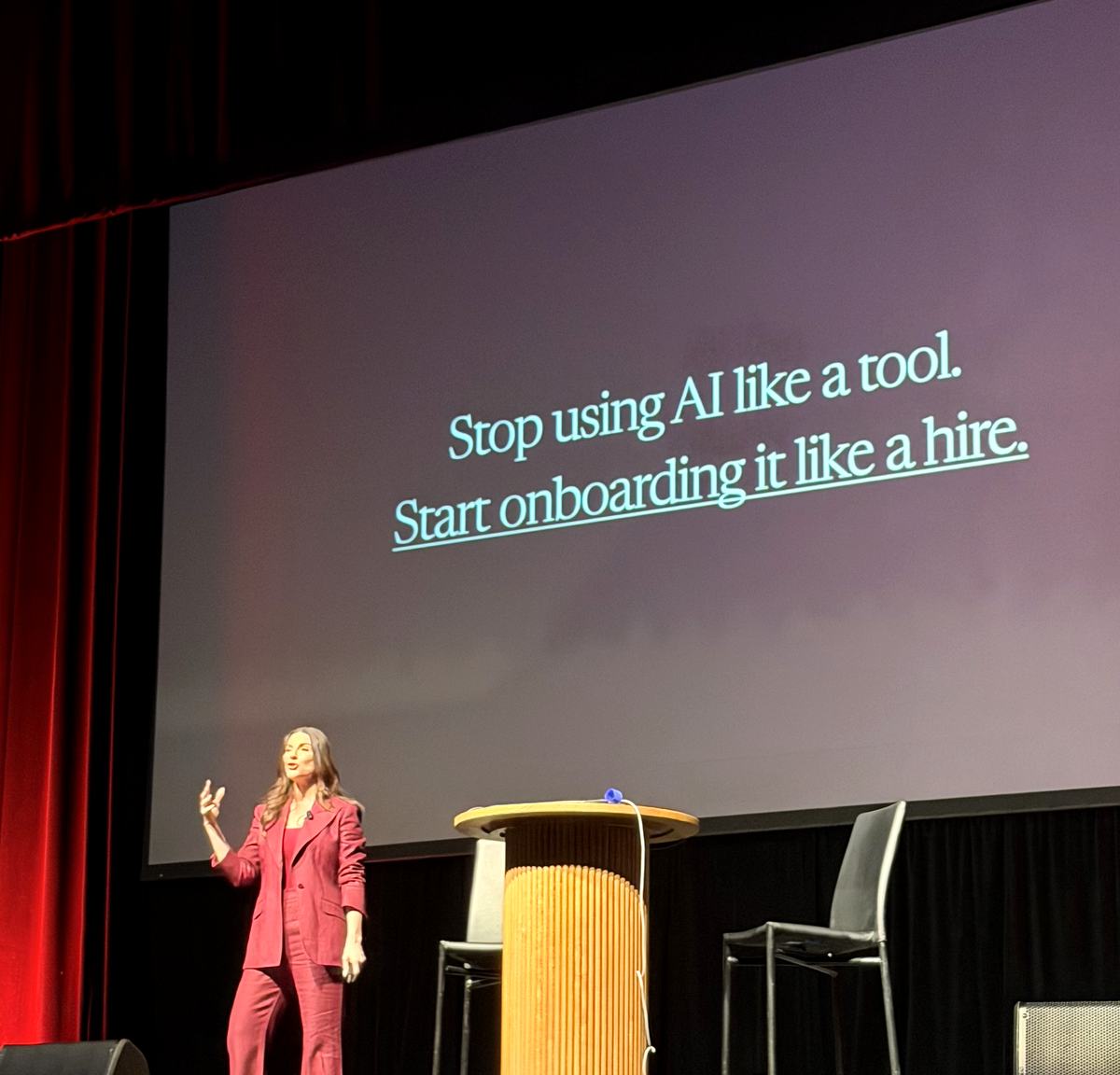
Stop using AI like a tool. Start onboarding it like a hire.
Amy Porterfield
The distinction is that a tool waits for you to pick it up. A hire has a job, gets briefed once, and then does that job repeatedly without being asked.
Her example was an AI she calls the Inspector. You point it at your feed and it reviews your posts one by one and tells you what job each one is doing. Curb appeal or front door. It can also look at what is working for other people in your market and show you the pattern.
That is a genuinely different way to use it than asking for captions. You are not asking it to make content. You are asking it to audit content against a standard you have already set, which is exactly the kind of repetitive judgment work you would hand a new hire.
She also mentioned using AI to set up the ManyChat automation itself, so the whole front door mechanism gets built once and then runs.
The living room, which is not on social at all
Roughly 90% of your social media time goes to curb appeal and front door. The living room happens somewhere else entirely, and this is where her advice got genuinely contrarian.
Her recommendation was Substack, as a local publication.
Substack is the 2026 blog. You do not have competition there yet. You will soon.
Amy Porterfield
The reasoning is compounding. Every issue becomes a public web page. A year of weekly issues becomes fifty indexed pages. Search engines read them, and so do AI tools, which matters more every month. When somebody asks an assistant what it is like to live in your town, something has to answer.
She mentioned getting her first client from AI, and told the room to start now and be patient about it.
The other half of the argument is that generic real estate content is finished. AI does generic better than you do and it does it instantly. What it cannot do is specific, local, opinionated content from somebody who actually lives there and has real thoughts about the market.
Social media, she said, is not good for nurturing. The relationship happens off it. The feed opens the door, the living room is where people stay.
Nothing here is complicated. It is mostly a matter of deciding to be deliberate, which is harder than it sounds.
Give every post a job before you make it
Curb appeal or front door. Decide first. This single habit is most of the value in the framework, and it costs nothing.
Count front doors, not followers
If you want one metric this month, make it how many people entered your database from social. Not reach, not impressions, not follower growth. Names you now own.
Pick your lane and get narrower than feels sensible
Not real estate tips. Not even your county. Your zip code, your streets, the specific coffee shop. The thing that does not scale is the thing nobody can take from you.
Take down the free guide and build a small paid one
If AI can produce your lead magnet in one prompt, it has stopped filtering anyone. A $27 hyperlocal guide that only somebody living there could write does the filtering instead. Fair housing review first.
Start the local publication now, expect nothing for six months
The indexed pages are the asset and they take time to become one. Starting late is the only real way to lose this one.
Is social media a waste of time for real estate agents?
No, but it is a waste of time if there is no bridge from the feed to your database. Social media is a distribution channel, not a place where you get paid. The value comes from moving people onto a list you own.
How much of my social media content should ask for something?
Amy’s guidance was three or four posts out of every batch should be front door posts that ask for a click, a comment or a DM. The rest is curb appeal that asks for nothing.
Do I need a big following to get clients from social media?
No. Her framing was that reach is not the goal and conversion is. You do not need two million people watching. You need 200 who will raise a hand.
Do free lead magnets still work?
Less than they did. Her argument is that AI made free content infinite, so a free guide no longer filters for serious people. A small paid offer, roughly $27 to $47, does that job better.
Why Substack instead of a website blog?
Because each issue becomes an indexed public page that both search engines and AI tools read, and because almost no agents are there yet. It is a first mover argument with a compounding asset underneath it.
More from Mega Camp 2026
- Gary Keller’s market update, chart by chart
- Gary Keller on the four engines of wealth
- Gary Keller interviews Simon Sinek
- Amy Porterfield on social media feeding your databaseyou are here
- Corey Perlman on stopping the sell and starting to serve
Jason Flynn. I run a real estate office in Santa Cruz and write about AI, marketing and the operating side of the business. I go to a lot of these and write up the parts that were worth the trip.
Notes taken live during Amy Porterfield’s session at Mega Camp 2026 and written up afterward. Quotes are reconstructed from my own handwritten notes rather than a recording, so treat them as close paraphrase rather than verbatim. Any framework, statistic or example is hers unless noted otherwise.
Like this? Get the next one.
The AI plays I'm running, a couple times a month. Free.